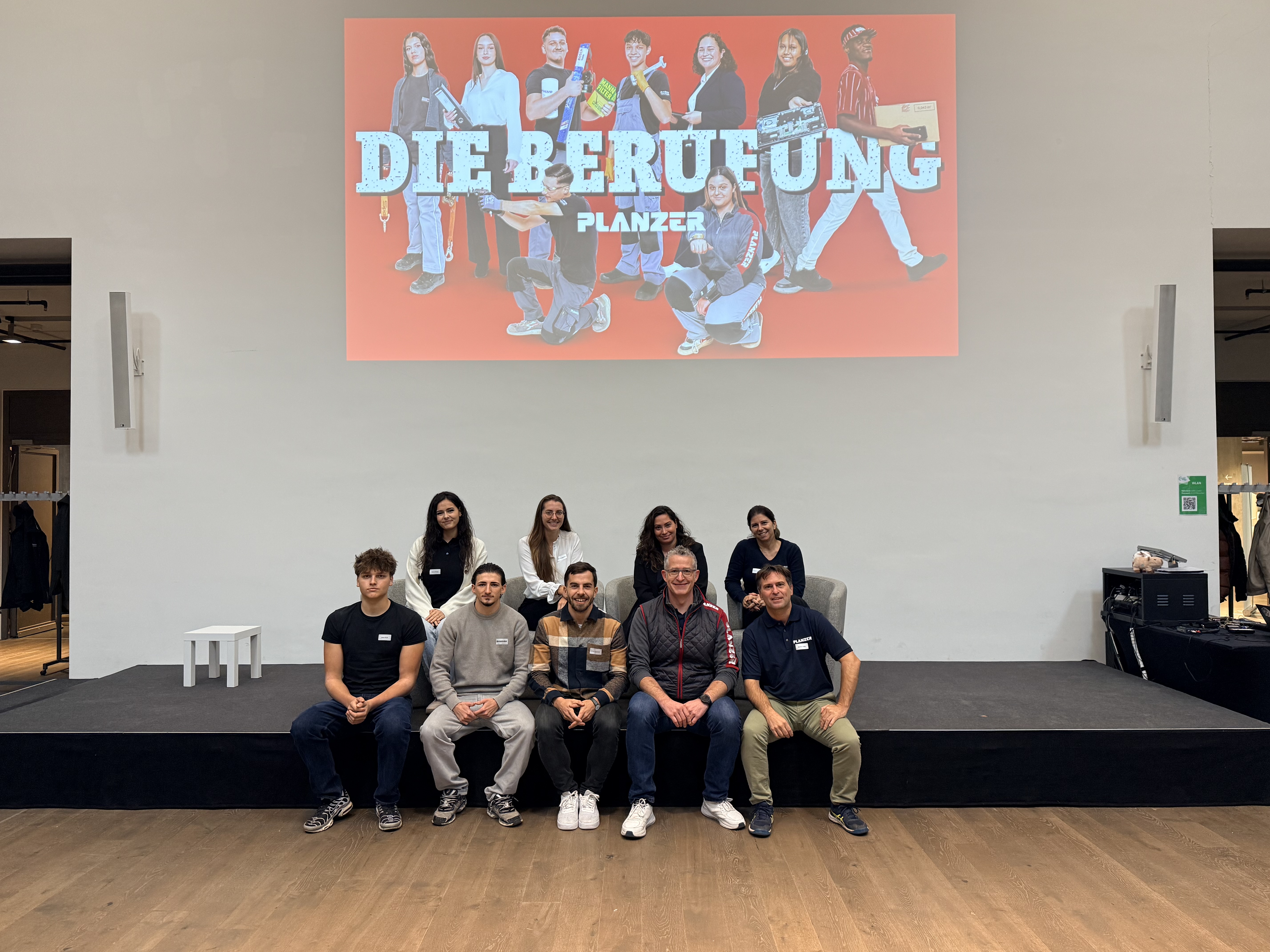
Strong apprentices need strong trainers
Healthy and successful vocational training requires more than just specialist knowledge. The focus of this year’s ABI PQM meetings was therefore on the physical and mental health of apprentices, vocational trainers and practical trainers.
Good training takes time
In 2026, a total of three ABI PQM meetings took place: two German-language sessions at the Umweltarena in Spreitenbach and one French-language session in Penthalaz. The focus was on the question of what is needed to ensure that apprentices can complete their training in good health and with success – and the conditions under which vocational trainers can best support them in the process. After all, good education requires time, commitment, support and reliable structures.
Health from different perspectives
A range of internal and external presentations provided different perspectives. Dr Milena Sina Wütschert from the Occupational Health Department of the Canton of Zurich shed light on health and safety at work and its legal and organisational framework.
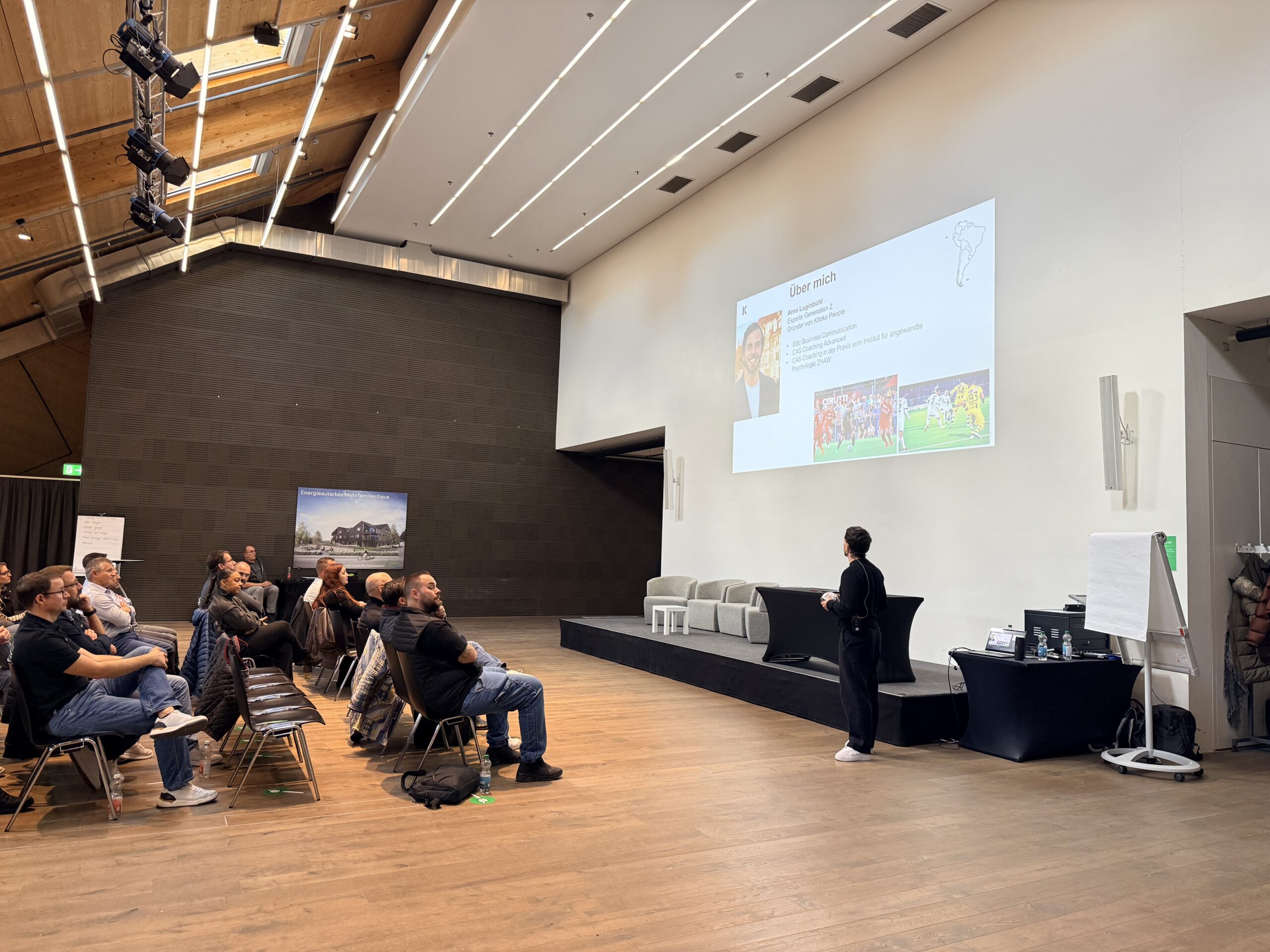
Representatives from Kitoko People also drew attention to the apprentices’ mental health. In interactive sessions, vocational and practical trainers explored what helps them to stay healthy and able to function under pressure, and what they need to support apprentices effectively.
Planzer Health Management (PHM) also took on an important part of the programme. This included Planzer-internal key performance indicators, existing and future support services, and the question of how vocational trainers can keep their own resources and burdens in balance. Another focus was on early detection: what changes in behaviour, performance, social withdrawal, well-being or absences can be early warning signs – and when is it time to observe, address or act?
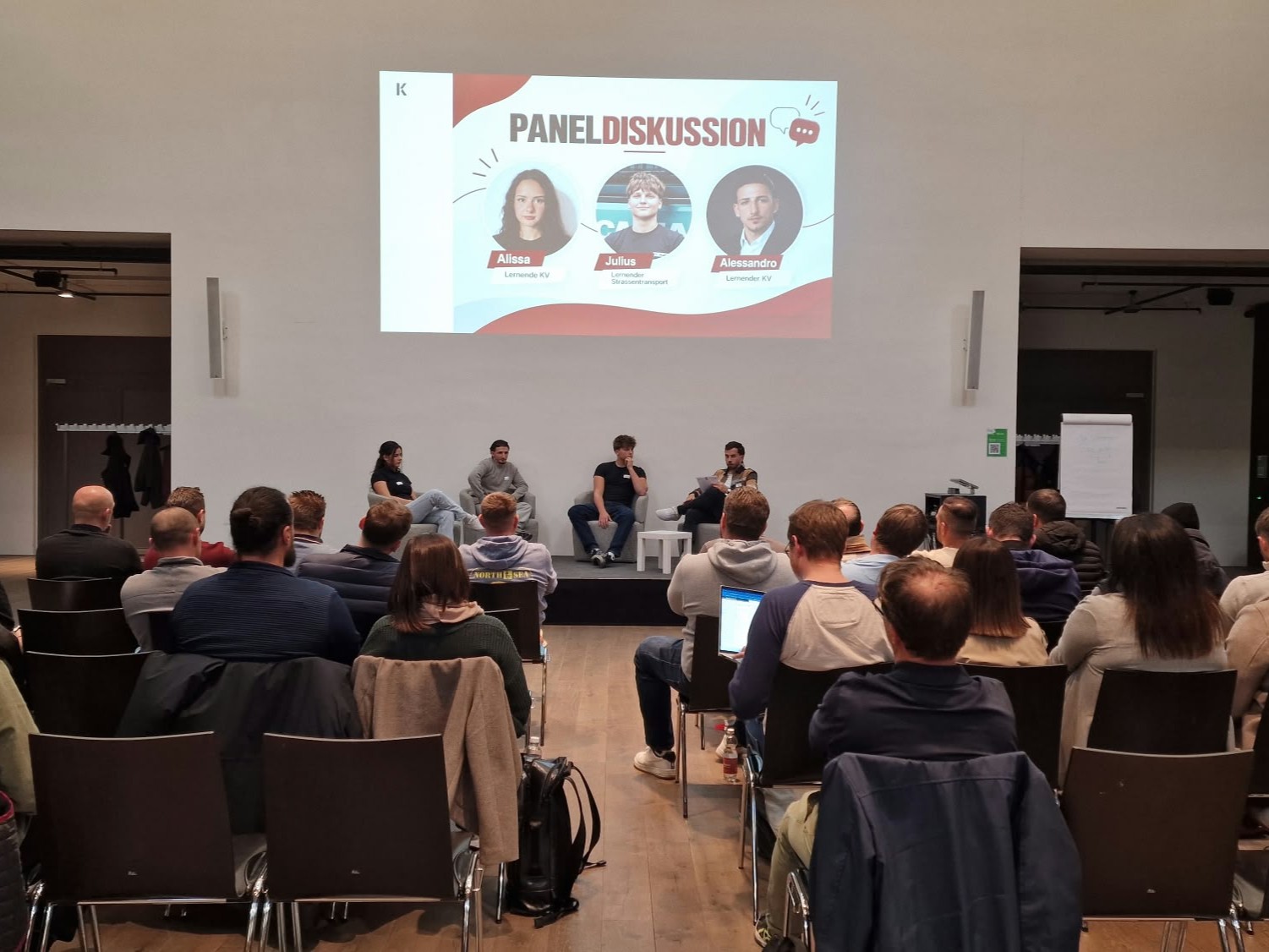
The direct change of perspective was particularly important this year, as our apprentices themselves had their say in a joint Q&A session. They were able to talk openly about what they thought was working well and where they would like to see changes.