


Interview
Interview with Planzer Quality Management (PQM)
Quality isn’t just evident when something goes wrong – but above all when everything is running smoothly. At Planzer, this is the principle behind Planzer Quality Management (PQM): a system developed over many years that reviews processes, initiates improvements and ensures that quality is put into practice in day-to-day work. In the interview, Marc Heumann, Head of PQM, explains what PQM is all about.
Marc Heumann, Head of Quality Management (PQM), Planzer
// What do you think it takes for a company to deliver quality?
Quite a few things, but one thing above all: quality must not only be stipulated, but also put into practice.
// The abbreviation PQM is largely unknown outside Planzer. What does it stand for?
PQM stands for an in-house quality management system that we have developed and refined over the last few decades. In the process, we meet all the requirements of common quality standards such as ISO 9001 and others. But in most cases we go far beyond that.
// How many people do you have on your team?
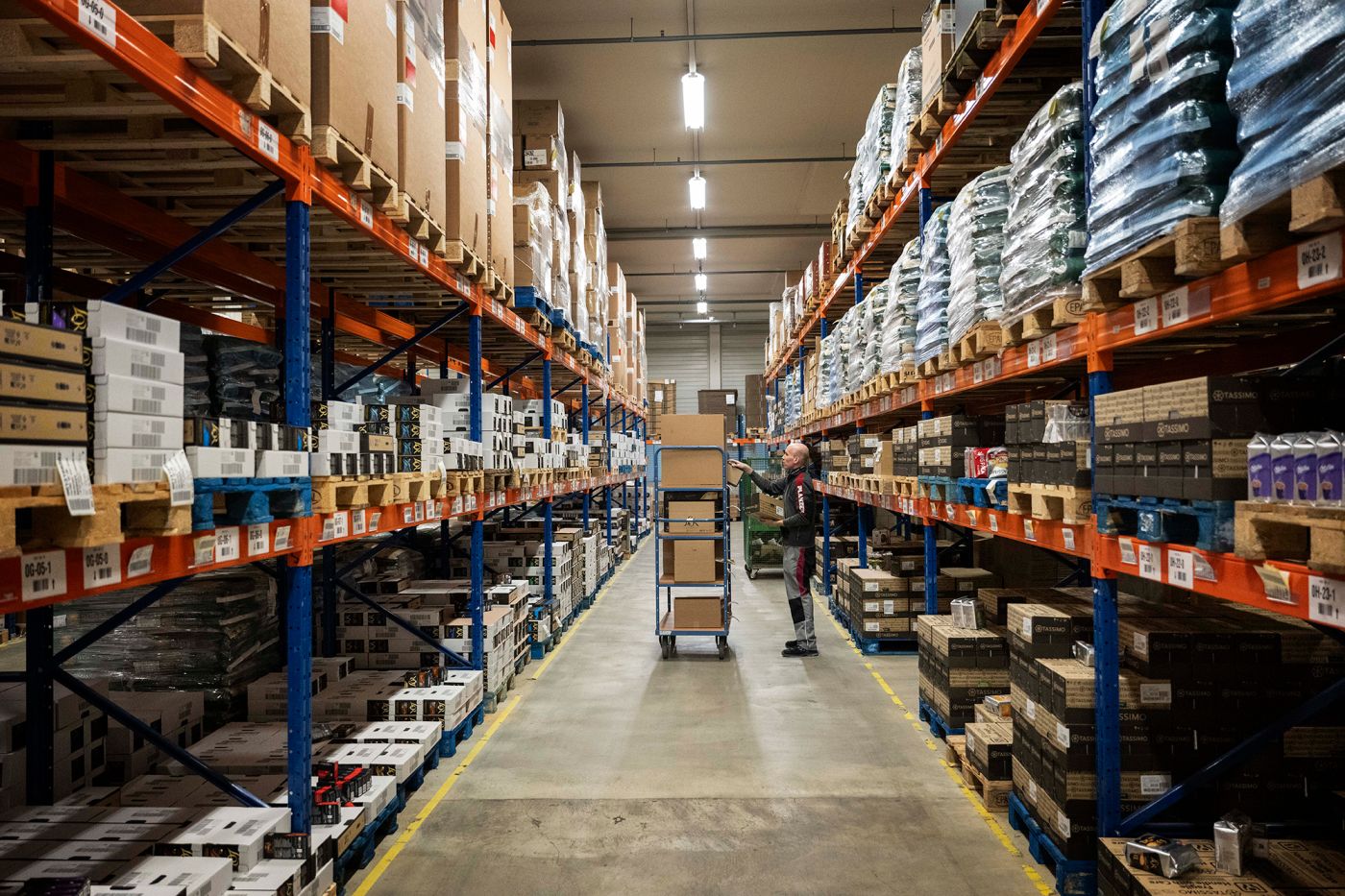
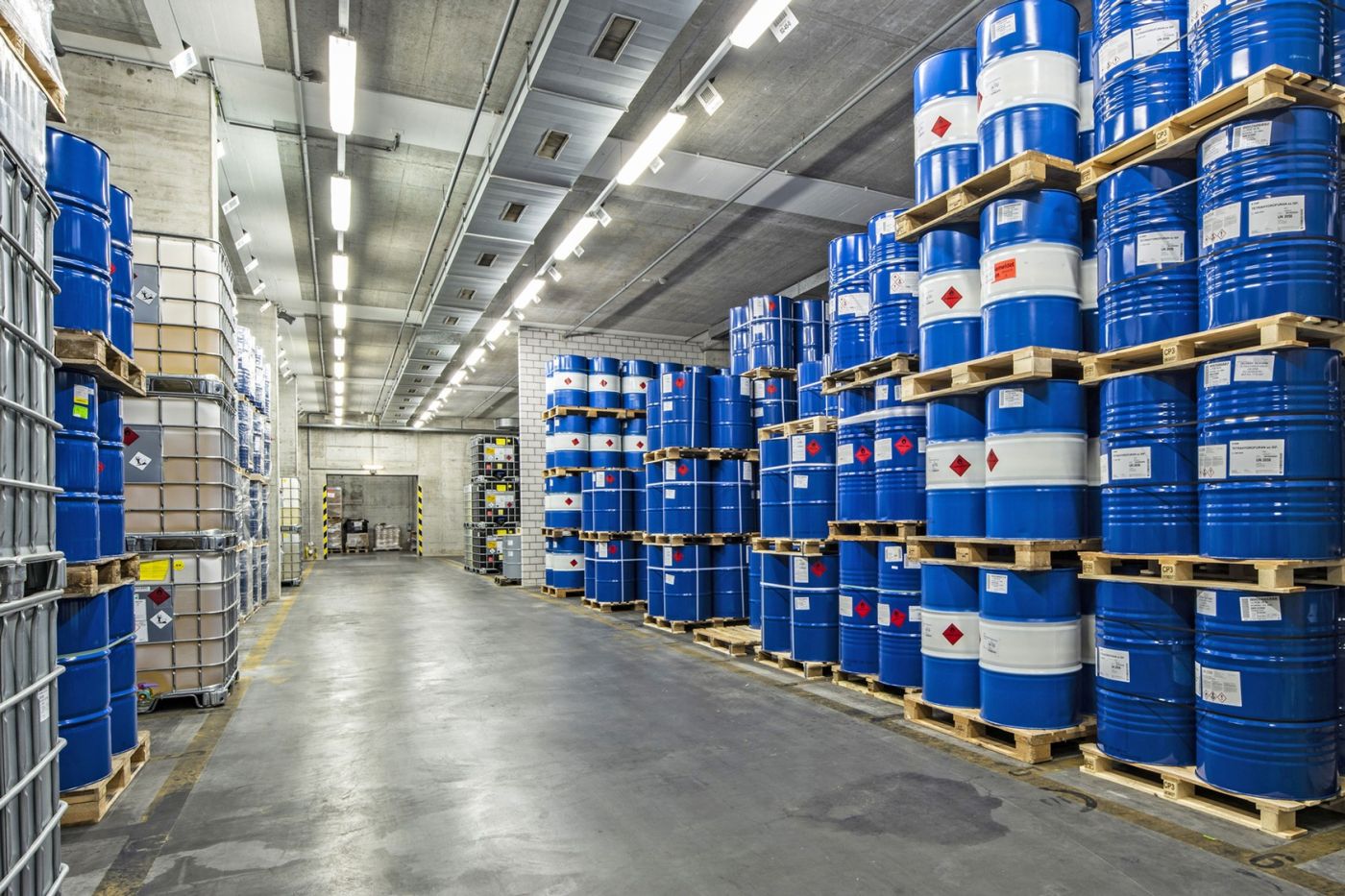
At the headquarters in Dietikon, there are three of us who work exclusively with PQM. In addition, there are 20 quality managers at our sites with stricter quality requirements, such as when handling food, pharmaceuticals and hazardous goods. These colleagues work with us in a matrix organisation.
// What exactly does the PQM team do?
We define guidelines and standards for our processes. We oversee their implementation and review them as part of internal audits. When external audits are due, we help the sites to pass them successfully. We support all departments in their ongoing efforts to improve quality. We also prepare management reviews and quality reports. We ensure that PQM documentation is compliant and complete. Finally, risk and change management also fall within our remit.
// You mentioned ISO 9001 and audits. Is PQM also audited?
Yes, very frequently, in fact. We handle around 75 external audits each year, conducted by customers, authorities and certification bodies.
// Where do quality and sustainability go hand in hand, and where do they not?
Quality and sustainability have many parallels and pursue similar goals. Both we and the Sustainability team ensure that we meet the defined quality, environmental and social standards of our customers and the Planzer Group. To do this, we both need to meet the regulatory requirements stipulated by laws, directives and standards and report on our performance. When it comes to both quality and sustainability, the aim is to identify risks at an early stage and reduce their impact or prevent them altogether. To this end, we strive to avoid mistakes and continuously improve. This means that quality and sustainability aim for the most efficient possible use of time and resources.

The role of Planzer Quality Management (PQM) and its significance for customers
// What role does PQM play within Planzer: adviser, supervisory body or driver of change?
Ideally, all three. As advisers, we support the departments and branches with questions about processes, regulations, audits and improvements. This area also includes awareness-raising and training activities. As a supervisory body, we ensure that requirements are met. To this end, we conduct internal audits at around 40 sites. However, we do not see ourselves as the quality police, but as coaches. This brings us to role number three. We initiate improvements and drive them forward.
// What challenges do you currently see in the tension between quality, cost-effectiveness and sustainability?
This tension has several facets. On the one hand, there are increasing regulatory requirements that we have to comply with and document. On the other hand, there is a great deal of change taking place, both on the customer side and in terms of regulation. Furthermore, like all economic players, the Planzer Group is under enormous pressure to control costs and improve efficiency, which is particularly evident in day-to-day operations. And I see the final aspect of this tension in our employees. Quality and sustainability only stand a chance if we get them on board. This is where the exemplary role played by line managers and senior management is crucial.
// In what way?
We can only expect sustainable action and quality awareness from our employees if the top level of management leads by example. They pass this on from the top down. At the same time, we at PQM focus directly on raising awareness and providing training among our employees.
// Why do you think awareness-raising and training are important?
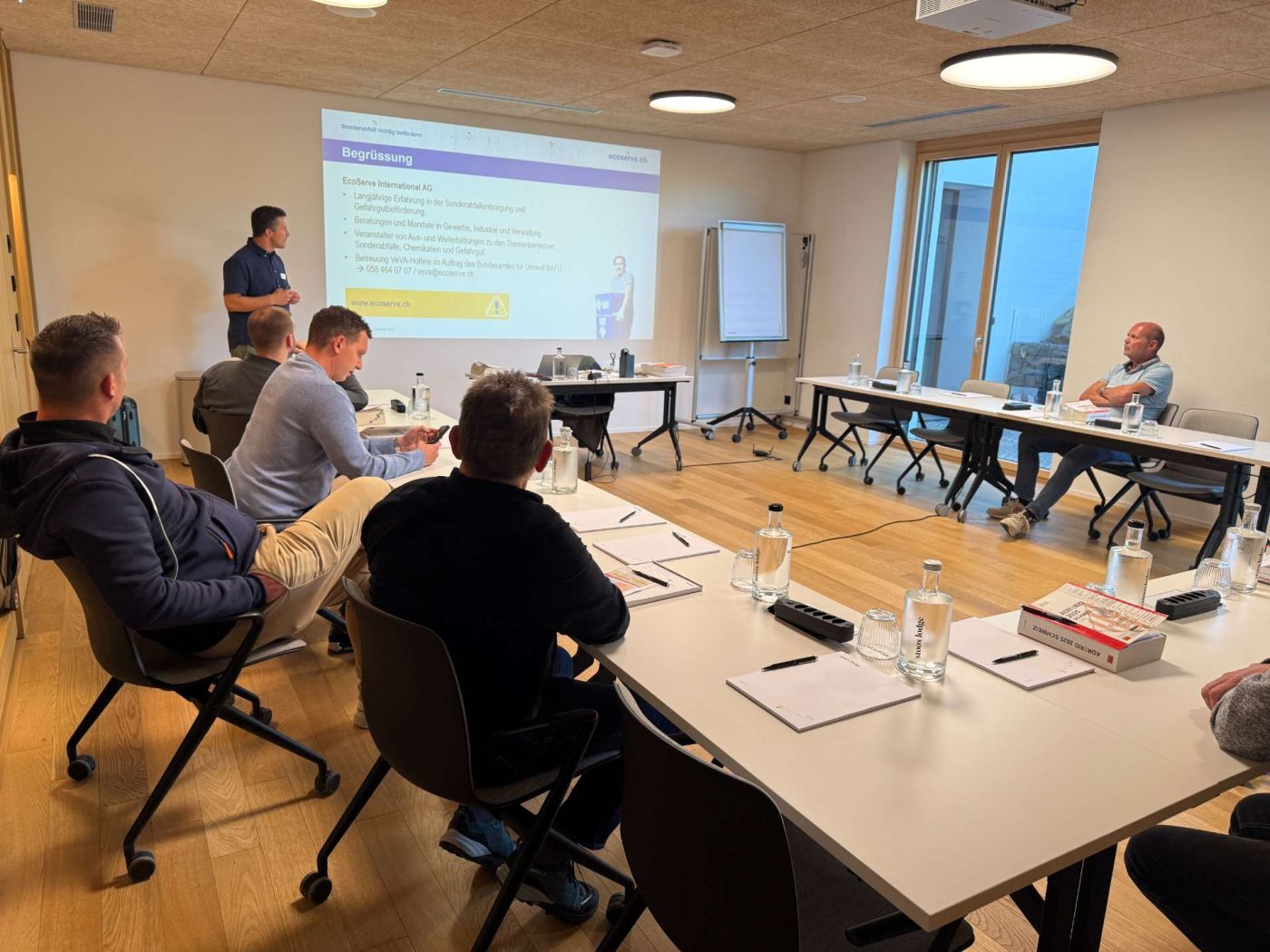
Because you have to understand quality in order to put it into practice. You need to know what quality brings to you and to the company. From ordinary employees to the Executive Board, it should be clear at all levels why we need quality in our company.
// Please explain it here in a few sentences.
(Laughs). I’ll give it a go. Quality is our ability to keep up with the market and customers. Given the interchangeability of our services, we can set ourselves apart from our competitors through quality. Quality is part of our DNA as a family business. We aren’t trying to maximise profits quickly, but rather do business sustainably in the long term. Ultimately, quality is a regulatory obligation that we need to fulfil for ourselves and for our customers. If we succeed in this, then our customers are satisfied, which in turn results in solid customer relationships. These keep our company resilient, fit for the future and capable of innovation.
// Could you give one or two specific examples of improvements in the company to illustrate this?
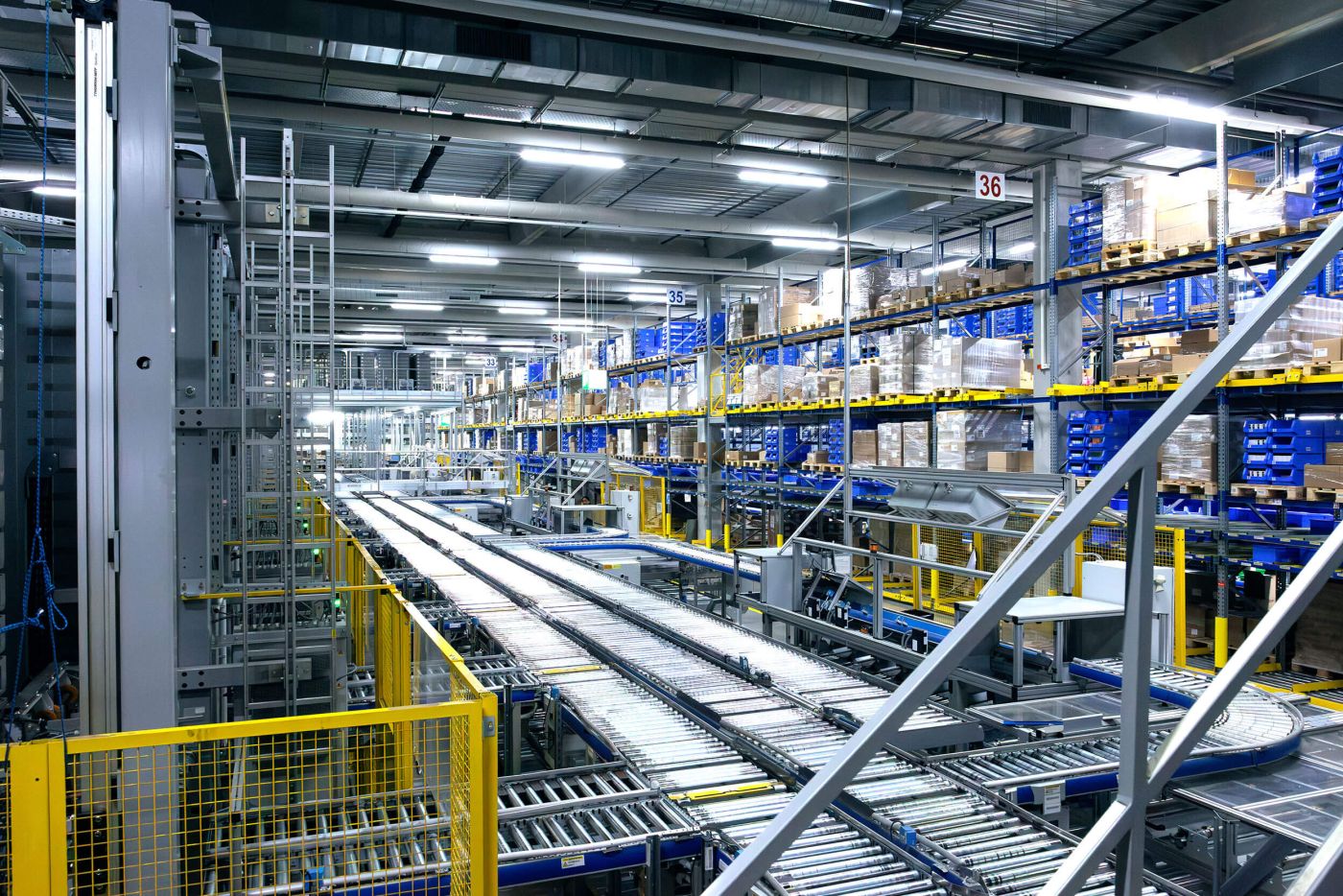
The high temperatures during this summer of 2026 placed enormous demands on us in the area of warehouse logistics. Working with our sites, we monitored the temperatures in the warehouse and handling areas every day – sometimes several times a day. Together with the Logistics and Technical departments, we defined measures to ensure that the required temperatures were maintained. This was the only way we could guarantee the quality of the stored products.
In 2024, we introduced our risk and inspection management system. It sets digital specifications in various departments and documents them. This allows us to delegate quality and regulatory-related checks to the relevant specialists in a targeted manner. Since introducing this system, we have been able to significantly improve quality and personal accountability in all areas – while ensuring we are complying with the law.
// Who or what is the greatest enemy of quality?
The hustle and bustle of day-to-day business. When things need to be done quickly, the odd quality standard is bound to slip by the wayside.
// Does a customer even notice that PQM is behind a Planzer service?
Absolutely, but rather indirectly. The main thing that customers notice is when something isn’t working. Our aim is for everything to run smoothly. If PQM works, then the customer notices it insofar as they don’t notice anything.
// Is PQM a criterion when acquiring new customers?
Sure. Usually, it’s enough to tell a new customer who else we work for. If not, we’ll provide all the quality indicators they want.
// Speaking of quality indicators: what role do they play?
A very important one. They help us to identify trends and make improvements before anything goes wrong. On the one hand, we record quality-specific indicators such as deviations from standardised processes. On the other hand, each department analyses key figures relating to its core activities and also uses them for early detection and quality measurement.
// To what extent does PQM use new technologies?
We have the Planzer Digital Hub, or PDH for short. This is a digital and web-based application for managing documents, risks, requirements and tasks. We are currently evaluating the extent to which we can use artificial intelligence. We see great potential here for the analysis and evaluation of key figures and for the completion of customer questionnaires on PQM.
Our commitment to quality, illustrated by the example of warehouse logistics
For more background and information on our warehouse logistics, see our dedicated blog post.
// If we meet again for an interview in 10 years’ time, what will we still be talking about, and what won’t we be talking about anymore?
We will definitely be talking about everything we have discussed today. Quality will still be around ten years from now. The same goes for laws, customer requirements and the pressure to be efficient. Quality is a concept that evolves with the times. That’s what we ensure in PQM.
// Marc, thank you for talking to me.